• The Wild Horses of Newfoundland

    It is a cold dreary day, with all of the light in half shades of grey as the maple leaves are starting to fall. I am puttering around outside for a few minutes of fresh air as I catch a brief glance at the grey standing stones in my garden. A memory comes back to me so sharp edged, with lightning fast speed, that I do not have time to prevent it landing even though in a nanosecond I know it will be gone.

    My twin, Mark and I are seven years old. We have ridden our bikes down a gravel road for some miles on an adventure. The snow and puddles are mixed together with a lot of mud. We end up walking our bikes along to get through a lot of it.  It takes us several hours.  It is a beautiful Newfoundland day in the hidden spring of two season weather, only winter and summer.

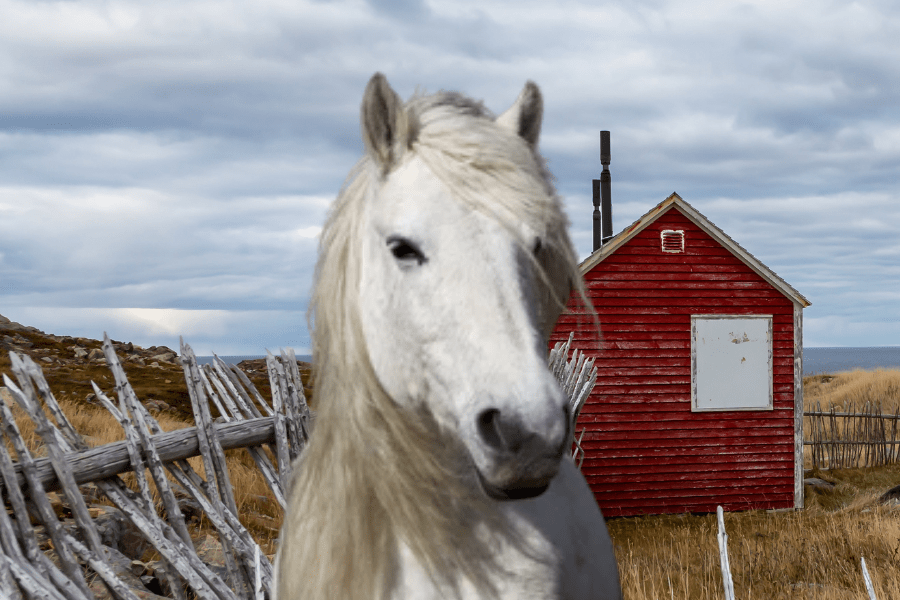
    We want to see the wild horses. Mark had a plan.  At that time in Newfoundland the wild horses ran free in feral herds. In late fall the loggers and farmers would release their working horses to run off with the wild herd and fend for themselves over the winter.  All the horses would return in a spring stampede each year.  It perhaps was an old practice born of poverty.  They didn’t have to feed or care for their horses over the winter.

    Mark and I have gone past our three mile range. We are not supposed to be so far from home. My father unaware, hard at work as the young engineer at the mine.  If we weren’t in school, my mother, chain smoking in the house, regularly shooed us outside early each and every morning, left us sandwiches on the porch, and didn’t really want to see us again until dinner time.  Well at least not me.  Mark was her favorite. Those were some of the family rules and you simply knew better to ever question them. My parents were ‘from away.’ My father at his happiest. My mother hating every second of being in Newfoundland. Us kids essentially feral, with thick accents, despite the fact we lived in the beautiful house up high on the hill reserved for the mining superintendent. Two peas in a pod, inseparable. In the valley far below was the town of Little Bay.

    We come around a narrow bend and there in the valley spread out below us is the beautiful meadow with large standing stones.  There are some forested large hills on one side, and we can see the ocean on the other. We leave our bikes on the shoulder, climb under an old fence and start walking through the marsh towards a ravine.  We feel the wild ponies before we see them. As we get closer towards the ravine, the ground trembles for a moment then goes away and trembles again.  There is an outcropping of rocks and we climb up high on them for a better view.  We sit there quietly in the sun and it is wonderful.

    (more…)
  • Falling in Love with Encaustic: Fire, Wax, and Light

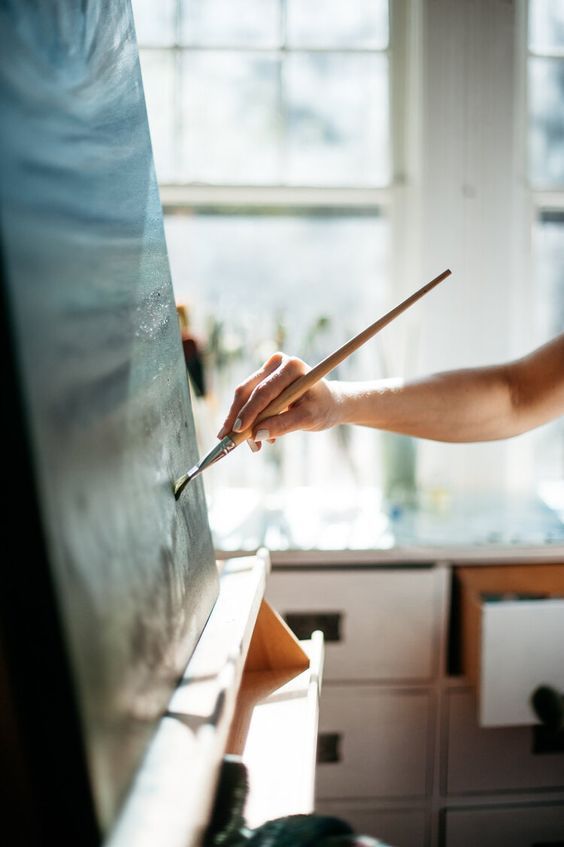
    I fell in love with encaustic in 2015. At the time, I was traveling through Arizona and New Mexico, working mainly in acrylics. The lighting and atmosphere there were so intoxicating that I seriously dreamed of one day moving there full time. One afternoon, while wandering through a gallery, I discovered encaustics. Something about the luminous surfaces and layered textures called to me in a way no other medium ever had. Within weeks, I had found a very famous encaustic artist offering side workshops and over the next two years I spent weeks at a time immersed in her studio in the desert, trying to tame this fiery, unpredictable process.

    What hooked me from the start was the adrenaline rush: the thrill of creating something so luminous and perfect balanced against the knowledge that one false move, one second of too much heat, and it could all be destroyed. That sense of risk, immediacy, and surrender to the process still keeps me captivated a decade later.

    (more…)
  • 🎨 Sunburns, Setups, and Side-Eyes: The Summer Market Life of an Artist ☀️

    Let’s talk about the glamorous (read: exhausting) world of being an artist at summer markets.

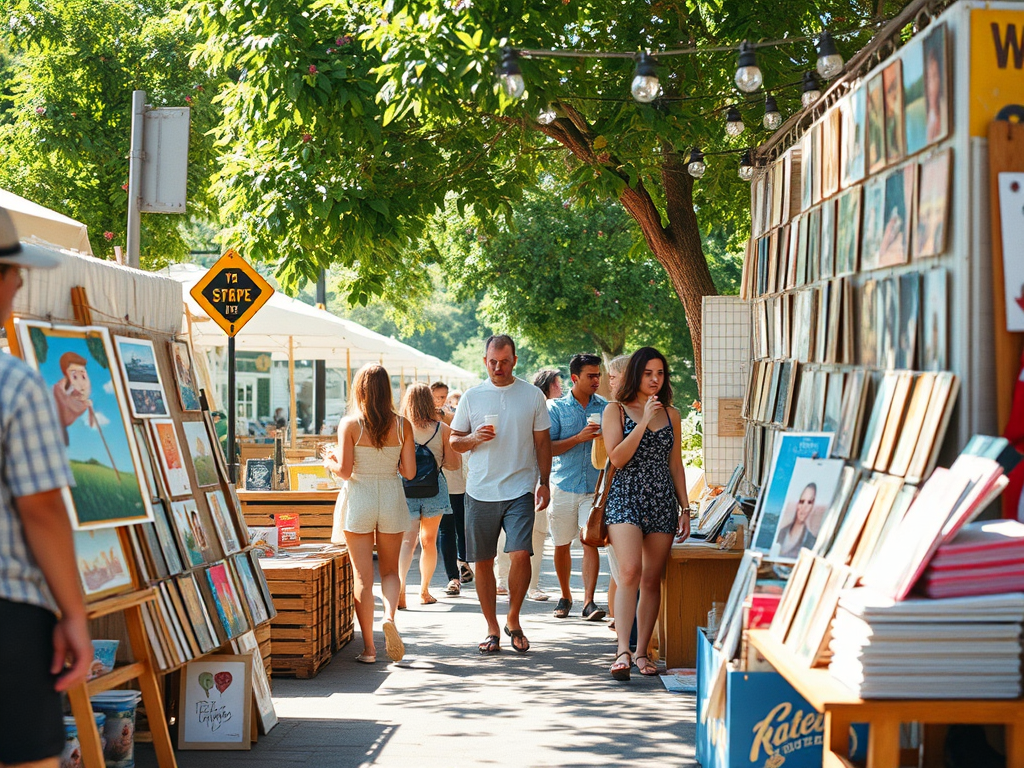
    First off, imagine waking up at 6 a.m. on a Saturday—usually your only day off, technically—to haul your pop-up tent, 40-pound bins of prints and cards, a couple of folding tables, your somewhat brilliant DIY display setups and some wild hope into a field or parking lot. Why? Because it’s market season, baby, and the art is not going to sell itself.

    Markets are often held on Saturdays or at local events, when people are wandering around in sandals with dogs, strollers, and iced lattes. In theory, it’s dreamy: sunshine, music, community. In reality, it’s sunstroke, wasps in your kombucha, and someone picking up your $300 original painting with one hand while chewing a hot dog and muttering, “My niece could do this.”

    🛍 The Upside: Why We Keep Doing This

    Honestly? There are some perks.

    • It gets your name out there. Even if someone doesn’t buy today, they might follow you online, or come back with their art-loving cousin next time.
    • Your art stays fresh. Prepping for markets means you keep making. You stay inspired. You finish things.
    • You sharpen your brand. Over time, you learn what works—visually, verbally, and emotionally.
    • You become a DIY display wizard. Trust me, you’ll know how to make a stunning booth out of IKEA curtains, twine, and hope.
    • A modest income trickles in. Cards, prints, and the occasional painting do sell—and those funds help pay for your (now $48) tubes of paint.

    🤡 The Downside: Thick Skin Required

    That said, it’s not all sunshine and PayPal notifications.

    • People say the wildest things. There are actual TikToks about this. “I could make that.” “Do you do dog portraits of dead dogs?” “Why is it so expensive—it’s just paint, right?” “I [my sister, my aunt, my friend] could do this.”
    • Handling without buying. Someone will flip through every single card with sunscreened fingers, sigh loudly, then leave. That’s the game.
    • The regulars return…with feedback. “Still haven’t sold that one, huh?” I have a fixed frozen smile for these, but wish I could say ‘Thank you, again, Cheryl. Would you like a loyalty card for backhanded compliments?’
    • Permissive Parenting. All of the toddlers/small children with sticky hands grabbing at your displays and their permissive parenting parents who let them.
    • Thievery. Yup, it happens all the time. Quick fingered tourists and locals. Let’s also not forget those with cameras who steal your images quite casually.
    • Market layout politics. Artists usually need tent walls to hang work. But most markets are designed for food vendors with a single front-facing table. Convincing a manager that you need side space? That’s an art form in itself.

    And let’s not forget the economy: in Canada, we’re in what I call a “depression sundae” with a recession cherry on top. Disposable income is sparse. Art supplies cost as much as tuition. So when someone does buy something, it feels like a tiny miracle. Make sure you can have a variety of smaller items available, so that all price points are covered. Keep your profit margins very low, as I suspect the economy is not getting better any time soon.

    💡 Should You Do Markets?

    If you’re an artist wondering whether to do summer markets, here’s my answer: yes—but know what you’re signing up for.

    You’ll need patience, humor, sunscreen, and serious emotional boundaries. But often you’ll also meet the loveliest people, feel your art being seen, and create a living breathing extension of your creative practice. The most important thing – make great market buddies who will make your market life so much easier.

    Just don’t forget your tent weights. And maybe bring a sign that says:
    “Yes, I made all of this. All by myself.”

  • Preparing for a Solo Show — Between Chaos and Canvas

    There’s nothing quite like preparing for a solo show.

    It’s a bit like inviting everyone to read your diary—if your diary were six feet wide, layered with colour and texture, and hung under gallery lights for all to see. Each brushstroke holds a secret. Each canvas, a confession.

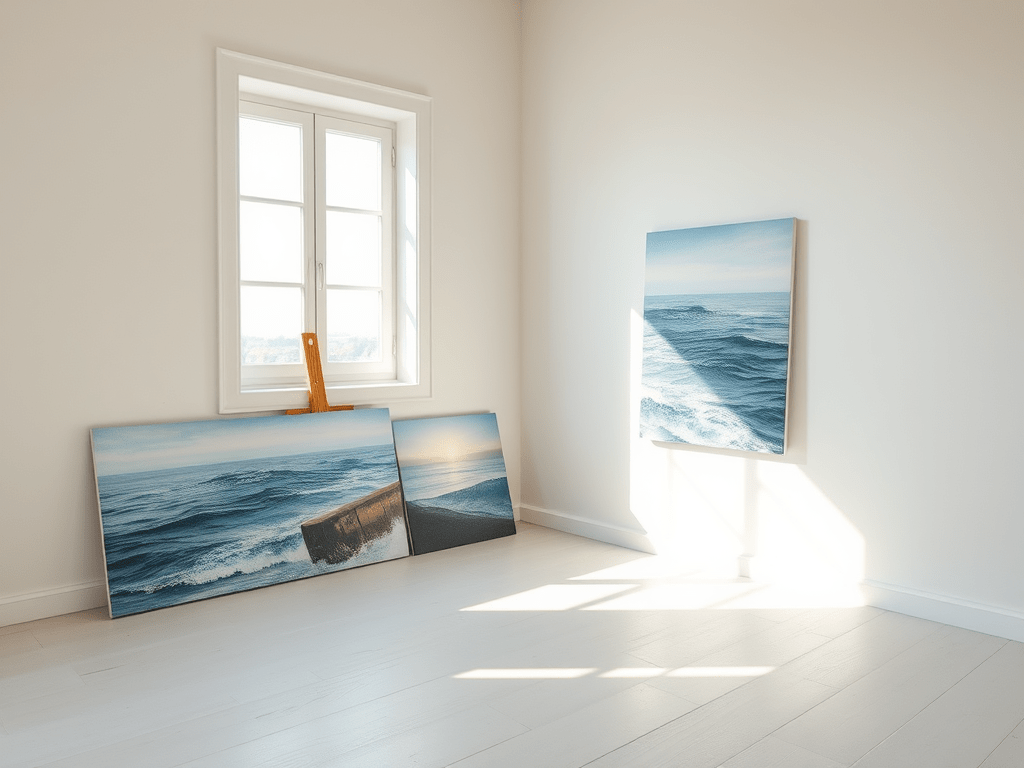
    For Beneath the Painted Sky, I returned to large-scale canvases—the kind that require you to use your whole body when painting. It’s a style I actually prefer. Bigger surfaces let me breathe. They let the ideas flow more wildly and freely. They let the sea take up the space it deserves.

    But for years, I painted small rather nonchalant pieces for passing tourists, easy for them to tuck into a suitcase and carry home. There’s joy in that too, of course. But there’s also limitation. The large canvases called me back like a tide—and I answered.

    Somewhere in between, I noticed my medium-sized paintings shifting, too. The sea became looser, more abstract and fluid, while the details on the shore—the little beach chairs, umbrellas, and tide-washed toys—grew sharper and more intricate. It takes me far longer to paint the fine details of a weathered picnic table than the entire ocean beside it. But I love the contrast. The vast and the precise. The dream and the detail.

    Preparing for a show like this has taken over my life in the best possible way. My days have revolved around the studio—early mornings, late nights, a blur of paint-stained clothes and half-drunk cups of tea. It’s romantic from the outside, maybe, but it’s also hard work. You have to be wildly creative and ruthlessly disciplined at the same time.

    Every hour counts. Every painting carries a piece of me. The artist anxiety – will I be ready? Hovering between I will never have all of this done to I have loads of time, to I have so much still to do!!

    And when the doors open and the lights go up, you can only hope it’ll be worth every moment.

  • Why I Chose Galiano — A Diary Entry to a Small Island

    It wasn’t really a decision. Galiano chose me.

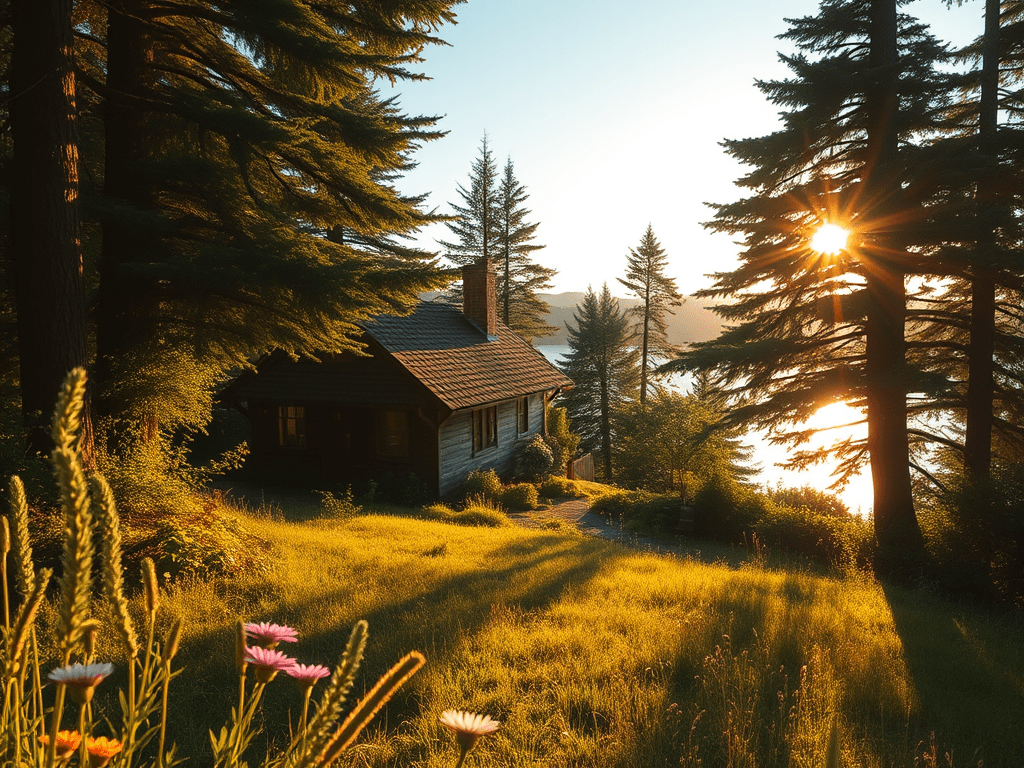
    I was actually in the middle of putting in an offer on a place on Mayne Island. In retrospect much better suited to me and my needs. A small photo of a forlorn cottage surrounded by old growth trees appeared in the side bar one fateful day. It was a hot mess as far as cottages go, but the property was lovely and I could feel the ley line before I discovered it. Or maybe it was the trees. Or the sea lions. Or the way the light leans sideways through the arbutus trees and makes every surface feel like a canvas.

    I came here with the quiet intention of slipping off the grid. I wasn’t running away, exactly—more like gently stepping aside from the noise of the world to wait for something I couldn’t quite name, but knew was coming. Something in my bones told me to listen, to be still, to paint.

    The weather here is—well, pretty fantastic. Compared to the 14-foot snowbanks and snow doors of my Newfoundland childhood, it feels like I’ve wandered into an alternate gardening reality. Zone 9. Just the phrase sounds luxurious. I can grow rosemary year-round and scatter flower seeds like spells. The air smells of cedar, wildflowers, volcanic earth, and sun-dried grasses. Strangely, the sea here doesn’t have much of a scent. I miss the briny, full-bodied breath of the Atlantic every single day.

    And yes, how I miss Newfoundland.

    I think about it at least once a day. I fantasize about returning at least once a day, too. The ache of home never leaves, just shifts places in my chest depending on the hour. But for now, Galiano cradles me. The economy is slightly better. The pace is gentler. The skies are more forgiving.

    Island people are their own kind everywhere—fierce, funny, resourceful. Each island sings its own song, and Galiano’s is quieter than most. It hums through the forest trails and dances across driftwood beaches. It lets me breathe. It lets me create.

    Choosing Galiano wasn’t about escape. It was about alignment. This place reminds me who I am when everything else is stripped away.

  • From Newfoundland to Galiano — A Wandering Artist’s Tale

    There’s a saltwater thread that runs through everything I paint.

    It began in Little Bay, a small fishing village tucked into the rocky folds of northern Newfoundland. A one room schoolhouse. I grew up with the lullaby of waves and the smell of salt cod on the breeze, with a father who by day was a Mining Engineer, in his spare time was a frustrated oil painter and a family who knew how to listen to weather and sea. That was my first palette—grey rocks, teal water, rusted nets, and the pale pink blush of clouds at dusk.

    Then came the rest of the world, as I chased adventure and happiness.

    The dozens of trips to Ireland on O’Shaughnessy Society clan reunions. The wonderful heart soaring times in Dublin where I understood heart memory cells and family trauma being encoded in DNA for the first time. In Ireland, I found myself painting beside the ruins of my ancestors’ castles—crumbling stone walls draped in ivy and memory. I dipped my brush in a jar of rainwater from a sacred well and painted as the mist rolled in over the hills. There was something deeply healing about that moment—like I was weaving myself back into the lineage of women who came before me. Art became a kind of ancestral singing.

    The life altering moments visiting Grosse Ille in the middle of the St. Lawrence at the Irish Memorial National Historic Site [Canada’s secret, shameful version of Ellis Island and the horrors of what happened to the Irish survivors there] . I have stood on the mass grave of over 10,000 Irish souls and I felt time stand still as I contemplated what people can do to each other. O’Shaughnessy is one of the surnames listed on the memorial. It is said the biggest Irish graveyard in the world is at the bottom of the St. Lawrence River. It was here also that my female ancestors sang out to me and prepared me.

    I have been to Lourdes, to Knock and to Sainte-Anne-de-Beaupre Sanctuary in Quebec City. All for healing and to ask for miracles, granted.

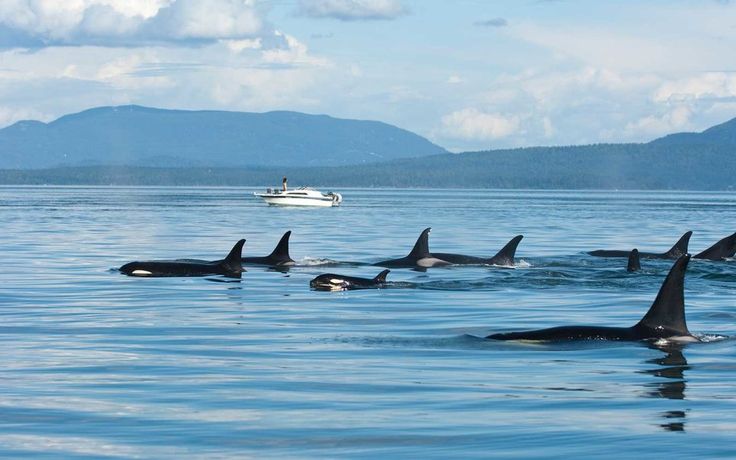
    Years spent working on Holland American as clinic crew, travelling the world covering their full time nurse leaves, and being treated like gold by the hardest working below deck hands. Back and forth over twenty times through the Panama Canal. In Alaska, I painted on the deck of a ship beneath a low-hanging moon, its silver light turning the ocean to silk. Humpback whales surfaced beside the vessel, their songs vibrating through the cold night air. I painted quickly, with some anxiety to be fast, my brush moving in rhythm with the sea and the sounds that rose from the deep. The moonlight, the ocean, the whales—they all became brushstrokes.

    Living under the midnight sun in Alaska, and travelling inland to all the old mining towns and falling in love with the lore of the saloon and the gold girls and all of the lost stories of adventurous women.

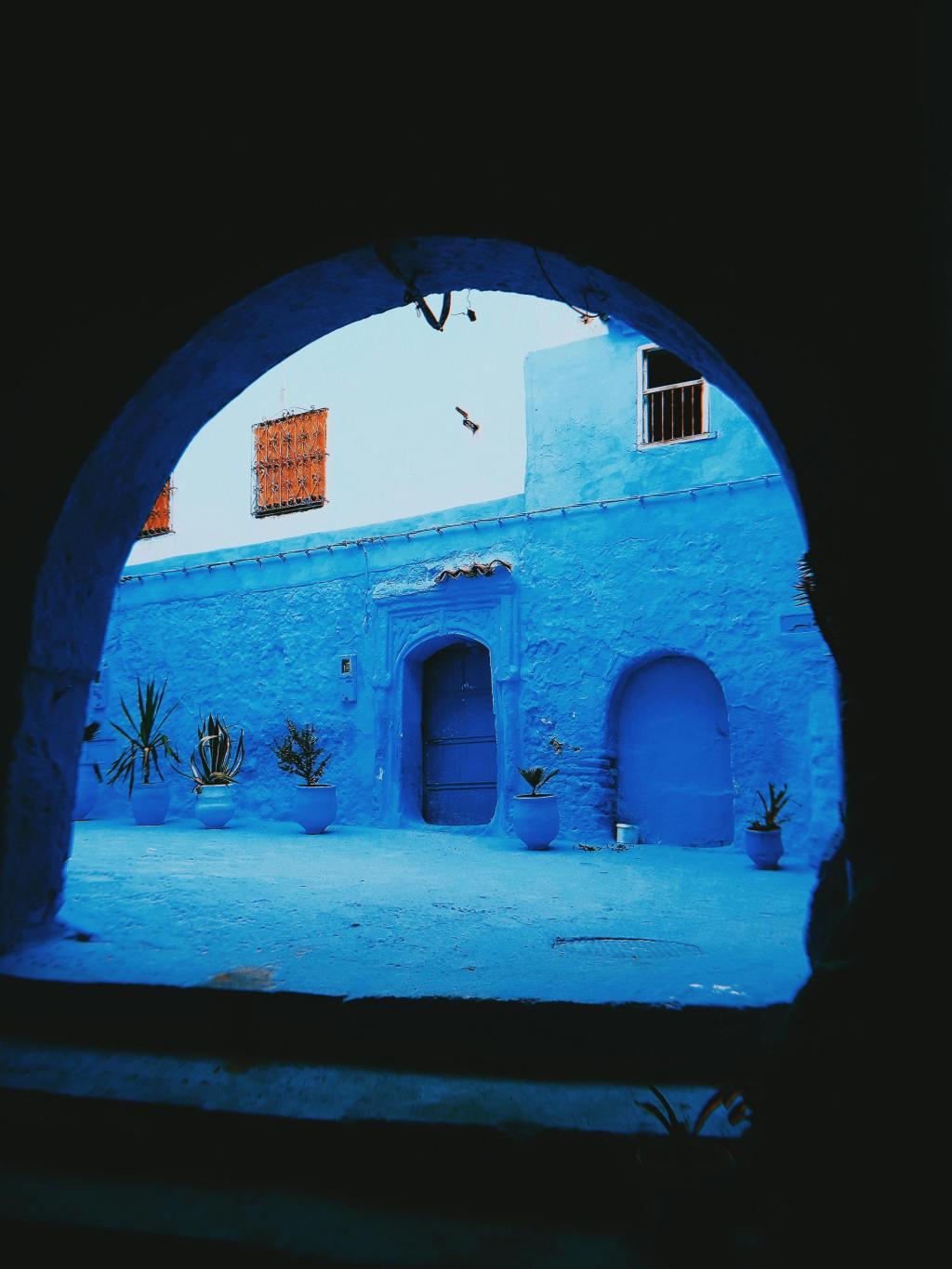
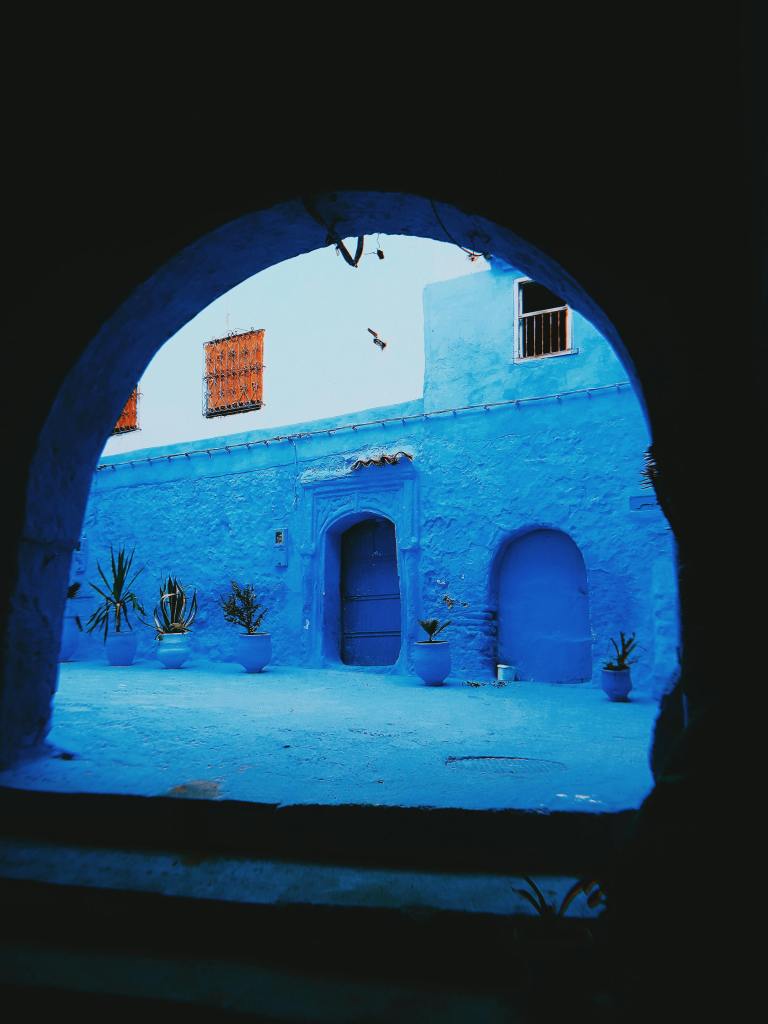
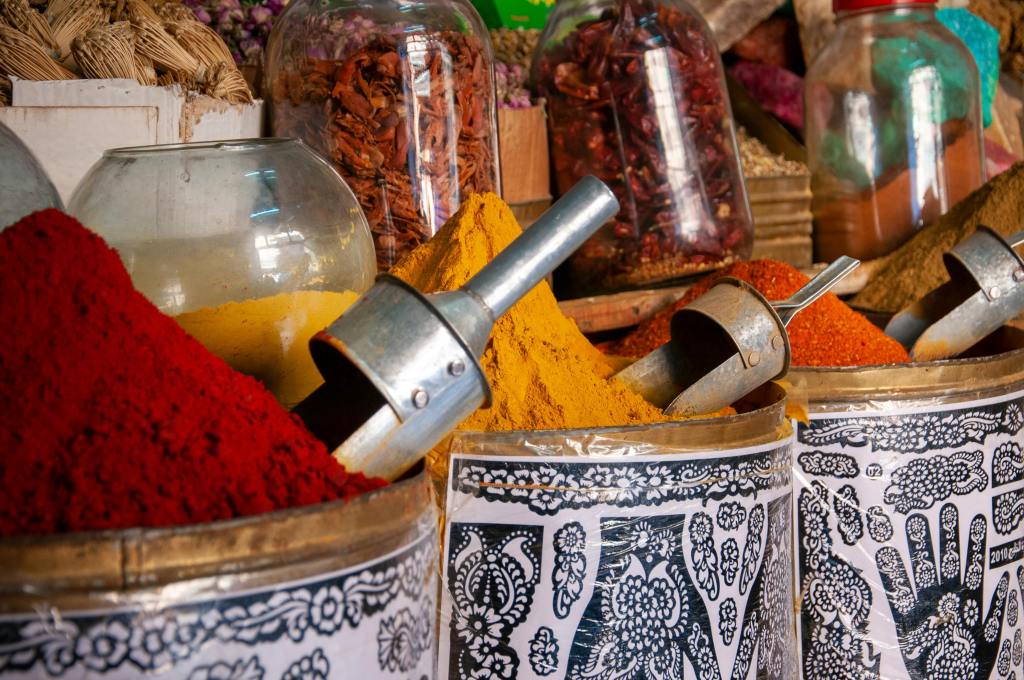
    In Morocco I mixed paint with spices, and fell in love with the country despite how difficult it was for me to travel there. I bravely persisted and criss crossed the entire country. Eventually covering my long blond hair with a DIY scarf arrangement. I narrowly escaped likely being sold to a Russian brothel in Marrakesh, and only got away with the help of a few masked Bedouin girls who I gave my scarves to as they marvelled at my hair.

    In Mexico, Spain, Portugal and more there were so many beaches, so many incredible memories of fabulous food, sunsets and perfect light. Always the painting, and an occasional cooking class with locals thrown in.

    Hawaii trips so many times I can smell the Plumeria if I close my eyes right now. My very favorite places in Taos, New Mexico and Sedona, Arizona with the incredible red air and light. Months of happiness moments spent mastering the Encaustic process. Too many other adventures and memories to mention here. Painting, for me, is a lot like singing—or humming—a quiet, intuitive act that helps me return to myself. It’s how I regulate, how I grieve, how I celebrate. It’s how I rebalance my energies when the world gets too loud or too fast.

    Now I live on Galiano Island, where I’ve let the waves find me again. It’s not so different from Newfoundland if you squint—a craggy coast, kind people, shifting skies, and the endless call of the sea. My work has changed over time, but the thread remains: water, memory, texture, and colour.

    Art, like life, is a migration. I just follow the tides.

  • Studio Alchemy: A Peek into My Creative Process

    Each day unfolds a little differently, depending on the weather, the animals, the garden, my yoga classes, or my tarot readings. But eventually, no matter what, I find my way to the studio—the heart of my creative world.

    My painting routine begins with a feeling: sometimes it’s sparked by a photograph, sometimes by the way the light hits the water outside my window. I start thinking in colours, imagining the palette before I’ve even chosen a brush. Then I sketch out a loose draft in charcoal pencil and let the intuitive flow take over. I love layering colour, working in texture, and allowing the image to evolve organically. I tend to paint in themes, producing works in a range of sizes that echo a particular mood or muse.

    I move between mediums depending on the season—or simply my mood. Watercolours, oils, encaustics, acrylics… I find each one teaches me something new. Switching it up keeps me engaged and has strengthened my skillset over the years. I don’t believe artists need to pick one lane and stay in it—I follow inspiration where it leads.

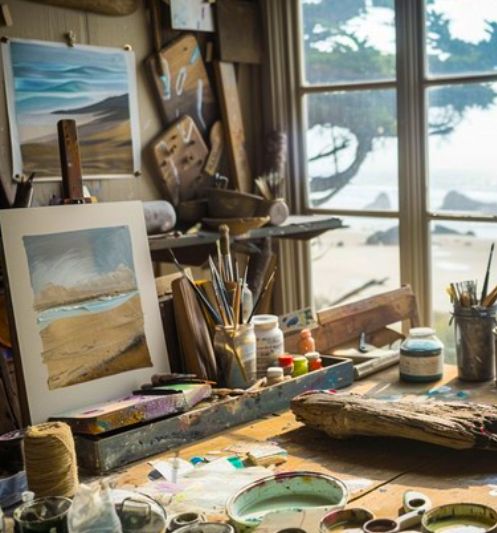
    My studio sits nestled in the garden, a space entirely my own. The moment I step inside, my whole body exhales—it’s a space of freedom and focus. I keep a well-loved library of art and nature reference books nearby, and often play calm, ambient music while I work. Sometimes, the birdsong is enough.

    It’s here, among paints and quiet moments, that alchemy happens.